
 Medicare’s GLP-1 Bridge: What Florida Patients Need to Know Before July
 Medicare’s GLP-1 Bridge: What Florida Patients Need to Know Before July
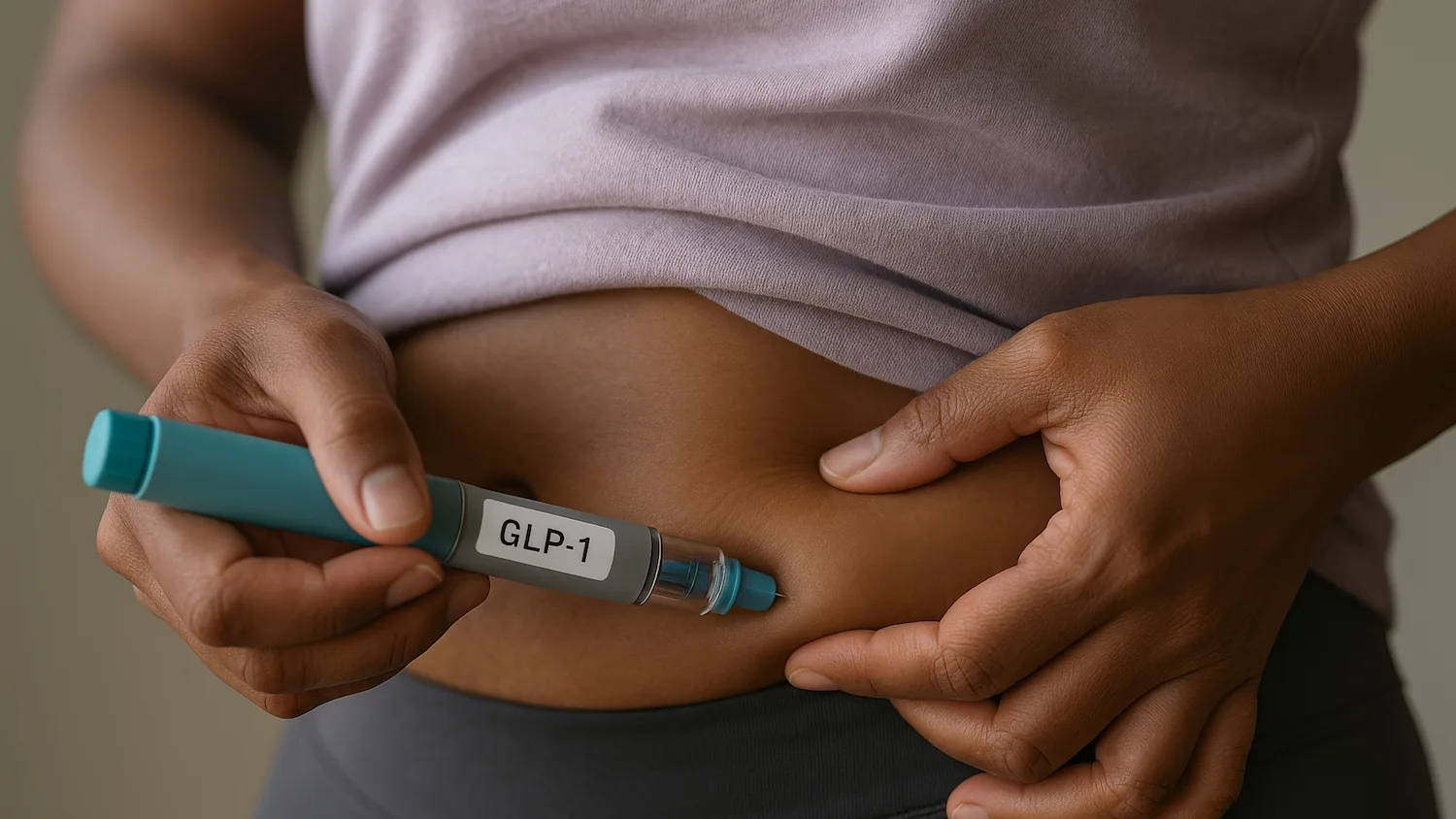
Medicare GLP-1 coverage for seniors is finally becoming a reality — but it comes with conditions, a ticking clock, and several important caveats that every Florida patient and family medicine provider should understand before July 1, 2026. Starting that date, the Centers for Medicare & Medicaid Services (CMS) will launch the Medicare GLP-1 Bridge, a short-term pilot program that provides eligible Medicare Part D beneficiaries with access to certain GLP-1 weight loss medications for a $50 monthly copay. For a state like Florida, which has one of the largest Medicare populations in the country and high rates of obesity and related chronic illness, this is potentially transformative — but it is not without significant limitations.
What Are GLP-1 Drugs and Why Does This Matter?
GLP-1 receptor agonists — including Wegovy (semaglutide), Zepbound (tirzepatide), and the newer pill Foundayo — are among the most clinically effective weight loss treatments ever developed. They work by mimicking gut hormones that regulate blood sugar and appetite, leading to significant and sustained weight reduction. Beyond the scale, clinical trials have shown that these medications can meaningfully lower the risk of heart attack, stroke, and cardiovascular death in patients with obesity and established heart disease. For many seniors managing a cascade of chronic conditions — hypertension, prediabetes, sleep apnea, joint disease — these drugs can be life-changing. Without insurance, however, they have remained financially out of reach for most, with cash prices ranging from $149 to $699 per month.
What the Medicare GLP-1 Bridge Program Actually Offers
The Bridge program will run from July 1, 2026 through December 31, 2027, and is designed to serve as a transition to a longer-term program — the BALANCE Model — which may or may not continue in 2028. Covered medications under the Bridge include:
- Wegovy (injectable and pill formulations)
- Zepbound (KwikPen injectable formulation)
- Foundayo (pill formulation)
To participate, patients must be enrolled in a Medicare Part D plan and meet eligibility criteria. Those with a BMI of 35 or higher qualify automatically. Those with a BMI of 27 or higher may qualify if they have at least one of the following: prediabetes, a prior heart attack, prior stroke, symptomatic peripheral artery disease, heart failure, hypertension, or chronic kidney disease. One notable feature of the program is that the $50 copay remains fixed regardless of dosage — an important benefit, since most patients will require higher doses over time to maintain weight loss.
The Pros: Real Benefits for Qualifying Patients
For patients who qualify, the Bridge program represents a genuine breakthrough:
- Dramatic cost reduction. Compared to cash prices of up to $699/month, a $50 copay puts these medications within reach for many fixed-income seniors for the first time.
- Stable copay regardless of dose. As patients progress to higher maintenance doses, the copay does not increase — providing predictable monthly budgeting.
- Protection for existing GLP-1 patients. If you are already on a GLP-1 for weight loss, you may still qualify. Your prescriber can attest that you met the BMI criteria when you first started therapy, even if your current BMI has dropped due to successful treatment.
- Broad chronic disease relevance. Florida seniors managing heart disease, prediabetes, and kidney disease may find that GLP-1 therapy addresses multiple conditions simultaneously, potentially reducing downstream medical costs and hospitalizations.
- No pharmacy opt-in required. Participating pharmacies nationwide are automatically enrolled in the program, meaning patients can access their medication at their regular pharmacy without administrative hurdles.
The Cons: Significant Limitations Patients Must Understand
The Bridge program is genuinely helpful, but it carries trade-offs that could leave patients in a difficult position:
- The $50 copay does not count toward your deductible or out-of-pocket cap. Because the program operates outside the standard Part D benefit, the $50/month copay will not apply to your Part D deductible or the $2,100 annual out-of-pocket spending cap — a meaningful financial disadvantage for patients with high overall drug costs.
- Low-income subsidy recipients are excluded. Patients who receive the Medicare Extra Help (Low-Income Subsidy) program cannot use that assistance for Bridge-covered drugs, which may make $50/month still unaffordable for the most financially vulnerable seniors.
- The program ends in December 2027 — and continuation is uncertain. The Bridge is explicitly temporary, intended to transition to the BALANCE Model, which may or may not launch in 2028. Patients who begin GLP-1 therapy face a real risk of abrupt discontinuation. Research consistently shows that stopping these medications leads to rapid weight regain and worsening of related conditions.
- Not all seniors will qualify. Medicare does not yet broadly cover GLP-1s for obesity. Patients who do not meet the specific BMI and clinical criteria will remain unprotected, and many seniors near but below the thresholds may be frustrated to find they do not qualify.
- $50 may still be a barrier. For beneficiaries accustomed to $5 or $10 copays on their regular medications, $50 a month represents a significant new expense — particularly for those on multiple prescriptions.
- Prior authorization is required. Providers must submit prior authorization through a central CMS processor — separate from the patient’s Part D plan — adding administrative steps that could delay access, particularly for smaller practices.
What This Means for Florida Patients Specifically
Florida has approximately 4.9 million Medicare beneficiaries — the second-largest Medicare population in the nation. The state also has elevated rates of obesity, type 2 diabetes, hypertension, and cardiovascular disease, meaning a significant portion of Florida’s Medicare population could plausibly meet the Bridge program’s eligibility criteria. For patients in communities throughout the state, the $50 copay access point could represent the first realistic opportunity to try medications they have heard about but could not afford. Conversely, Florida’s high proportion of retirees on fixed incomes means that the Extra Help exclusion and the outside-Part-D structure of the copay could be particularly punishing for lower-income beneficiaries. Patients should have an honest conversation with their primary care provider about whether their chronic condition profile meets the eligibility thresholds, whether the $50/month fits their budget alongside their other medications, and how they plan to manage if coverage does not continue past December 2027.
Steps to Take Before July 2026
If you or a patient you care for is interested in the Medicare GLP-1 Bridge, here is what should happen now:
- Confirm Part D enrollment. Only patients with an active Medicare Part D plan are eligible. Those without one may not be able to enroll until the next open enrollment period.
- Review BMI and clinical history. Providers should document qualifying BMI and conditions — especially for patients already on GLP-1s whose current weight may mask their starting eligibility.
- Budget realistically. Factor in the $50 copay alongside existing medications and understand that this cost will not count toward your annual drug spending cap.
- Develop a contingency plan. Discuss with your provider what happens if the program does not continue after 2027. Are there manufacturer assistance programs, alternative medications, or lifestyle intervention strategies that could supplement or replace GLP-1 therapy?
The Medicare GLP-1 Bridge is a meaningful step toward making these powerful medications accessible to the seniors who need them most. But it is a step, not a destination — and the road ahead carries real uncertainty. As with any new coverage program, the patients who will benefit most are those who go in with clear information, realistic expectations, and a well-informed clinical team at their side.
If you’re a Medicare patient in Florida wondering whether the GLP-1 Bridge program applies to you, don’t navigate it alone. Family Medicine Institute provides physician-led, evidence-informed care to help you understand your eligibility, weigh your options, and build a treatment plan that makes sense for your health — and your budget. We serve the Winter Garden community in English, Spanish, Portuguese, and Haitian Creole. Call us at 321-221-0801 to schedule an appointment.