
“Airport Lung” is Real: Pre-Flight Immune Shielding Will Keep You Protected
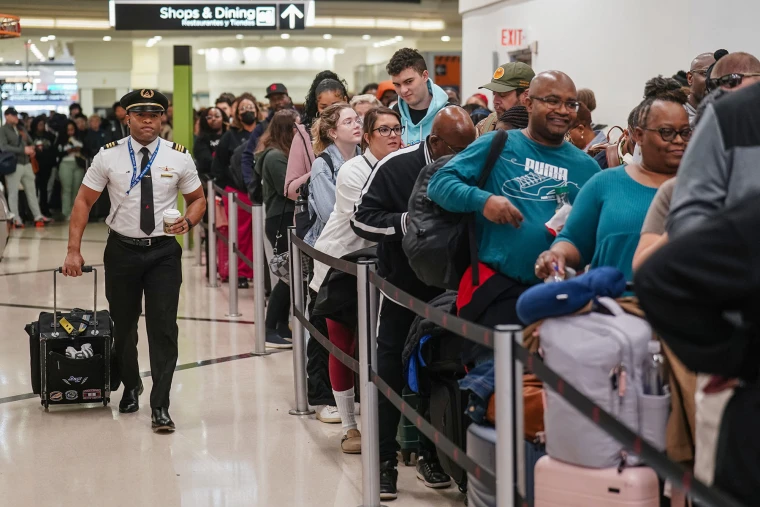
Hey there — Dr. Yashel here from Family Medicine Institute in Winter Garden. After more than a decade of treating patients across Central Florida, I’ve seen just about every travel-related illness walk through our doors. And right now, with the ongoing TSA staffing shortage turning airport security lines into hour-long crowded holding pens, I want to talk about something I’m calling “Airport Lung” — a very real phenomenon where prolonged exposure to poorly ventilated, densely packed airport spaces dramatically increases your risk of picking up the flu, COVID, RSV, and other airborne viruses. Don’t worry, I’ll keep this practical and skip the medical jargon. My goal is simple: I want you to travel smart and come home healthy.
The TSA Crunch Is Creating the Perfect Germ Storm
If you’ve been anywhere near an airport in the past few weeks, you already know the situation is rough. With TSA workers going without pay since the DHS partial government shutdown began in mid-February, hundreds of officers have quit or called out, leaving travelers stuck in security lines that can stretch four-plus hours at major hubs like Atlanta Hartsfield-Jackson, Houston Bush Intercontinental, and Orlando International. Officials have actually described current wait times as the longest in TSA history.
What does that mean for your health? It means you’re standing shoulder-to-shoulder with hundreds — sometimes thousands — of strangers for extended periods in indoor spaces with recycled air. That’s not just inconvenient. It’s a genuine respiratory health risk.
“The longer you’re packed into a crowded, recirculated-air environment, the higher your viral load exposure. It’s not a maybe — it’s math.”
What Exactly Is “Airport Lung”?
“Airport Lung” isn’t an official diagnosis — yet — but in our practice, we use it to describe the cluster of respiratory symptoms patients come in with 3–7 days after traveling through a busy airport: scratchy throat, sinus congestion, cough, fatigue, and sometimes full-blown flu or bronchitis. The culprit? Recirculated air, the close proximity of travelers from dozens of different cities and countries, and the stress that travel puts on your immune system.
Airports are uniquely bad for airborne illness transmission. You’ve got a large enclosed space with shared surfaces, crowds of people breathing the same filtered air, and travelers from all over the world — each carrying whatever’s circulating in their home city or country. Add in the physical stress of rushing, poor sleep before an early flight, and dehydration from dry cabin air, and your immune system is working at a disadvantage before you’ve even taken off.
Now layer on top of that the current TSA crisis. You’re not just passing through — you’re waiting. You’re standing in a security line for two, three, even four hours. You’re indoors. You’re breathing the same air as everyone else. The exposure time multiplies your risk considerably.
Who’s Most at Risk?
Honestly? Everyone. But some folks need to be extra cautious right now:
Higher-Risk Travelers
- Adults 65 and older, whose immune response is naturally less aggressive
- Children under 5, especially those in daycare or school settings already
- Anyone with asthma, COPD, or chronic bronchitis
- Pregnant women, whose immune systems are working overtime
- People with diabetes, heart disease, or autoimmune conditions
- Anyone who hasn’t been vaccinated against flu or updated their COVID booster
- Folks who are already a little run-down from stress or poor sleep
If you fall into any of these categories and have a trip coming up — please don’t just wing it. Come in before you fly, and let’s put together a protection plan together.
Pre-Flight Immune Shielding: What You Can Actually Do
Here’s the good news: there’s a lot you can do ahead of time to seriously reduce your risk. “Pre-flight immune shielding” is all about giving your body the best possible defense before you set foot in that security line.
Your Pre-Flight Immune Checklist
- Get vaccinated. Flu vaccines are still highly relevant, and we’re still recommending updated COVID boosters. It takes about two weeks to build full protection, so don’t wait until the week before your flight.
- Boost your sleep. Aim for 7–9 hours in the days leading up to travel. Sleep deprivation is one of the fastest ways to suppress your immune response.
- Hydrate well. Airport air and aircraft cabin air is notoriously dry. Start hydrating the day before — and skip the alcohol on the plane.
- Pack a quality mask. An N95 or KN95 mask is genuinely effective at reducing airborne viral exposure, especially during long security lines. There’s no shame in using one right now.
- Keep your hands away from your face. Especially during long waits. Hand sanitizer with at least 60% alcohol should live in your carry-on pocket.
- Ask us about targeted supplements. Vitamin D, Zinc, and Vitamin C all play real roles in immune function. We can check your levels and recommend appropriate dosing.
- Talk to your doctor about antivirals. If you’re high-risk, we can discuss preventive options — especially if someone in your household already has the flu.
What to Do If You Get Sick After Flying
Despite your best efforts, sometimes the germs win. If you come home from a trip and start feeling that familiar scratchy throat or fatigue, don’t brush it off. Flu and COVID can escalate quickly — especially in higher-risk patients. Come see us within the first 48 hours. Antiviral medications like oseltamivir (Tamiflu) for flu, or nirmatrelvir/ritonavir (Paxlovid) for COVID, work best when started early.
Also: please be mindful of those around you when you return. If you’re symptomatic, avoid elderly family members, infants, or anyone immunocompromised until you know what you’re dealing with. A quick telehealth visit with our office can often point us in the right direction without you needing to come in and potentially spread illness in our waiting room.
A Note on Travel Anxiety Right Now
Flying right now is genuinely stressful. Long lines, uncertainty, the chaos of the shutdown. That stress response itself suppresses immunity. If you’re feeling overwhelmed about an upcoming trip, give us a call. Sometimes just talking through a plan makes all the difference. And if you need a note for work, documentation for an insurance claim, or a pre-travel health check, we’re here for all of it.
Our team at Family Medicine Institute has been caring for Winter Garden families through everything from flu seasons to COVID surges to now — an airport health crisis most people don’t even realize is happening. We’re in your corner.
Ready to Travel Smarter?
Schedule a pre-travel health visit and let us build your personalized immune shield before your next flight. Same-week appointments are available. Schedule Your Appointment with 321-221-0801.